
It is important to note that not everyone who drinks alcohol will experience Alcoholic Rage Syndrome, as individual factors such as genetics and mental health can also play a role. They feel as if they are walking on eggshells, not knowing when the next outburst will come, and may be the victims of alcohol induced abuse. In high-stress situations, it’s essential to stay calm and take a step back to assess your emotions objectively. Often, when children, spouses, and other loved ones spend time close to someone who becomes abusive when they drink, their lives change for the worse. They provide valuable resources and help you navigate the path to recovery. You might want to participate in treatment with your loved one whenever possible, alcoholic rage syndrome but it’s also wise to talk to a therapist on your own.
Emotional Suppression
With over 2,000 recovered patients, Curednation is more than ready to help you or your loved ones with alcohol recovery. In extreme scenarios, raging alcoholics may get involved in domestic violence, leading to physical injuries for partners and children. You’ll meet millions of fellow Reframers in our 24/7 Forum chat and daily Zoom check-in meetings. Receive encouragement from people worldwide who know exactly what you’re going through! You’ll also have the opportunity to connect with our licensed Reframe coaches for more personalized guidance. No, the term “raging alcoholic” is not referring to rage as an emotion, but rather to the person’s intense addiction to drinking.
Substance Use Disorder and Mental Health Impact
Charities and private drug and alcohol treatment organizations can also provide assistance. There have been instances in which individuals with alcoholic rage syndrome have faced legal consequences due to their aggressive behaviour. For instance, one what is alcoholism individual with this syndrome was convicted of assault after attacking a stranger during a blackout episode. This incident highlights the importance of raising awareness and providing support for individuals affected by this condition. For individuals affected by alcoholic rage syndrome, there are numerous support networks, resources, and treatment facilities available.
By seeking professional help for the alcoholic, families can begin to rebuild trust and restore safety in the home. The information provided in this blog post is for educational and informational purposes only. It is not intended as a substitute https://www.oneblackpool.co.uk/2025/03/18/stages-of-alcoholism-when-is-it-a-problem/ for professional medical advice, diagnosis, or treatment. Always seek the advice of your physician or other qualified health provider with any questions you may have regarding a medical condition or treatment options. There is a good chance their consumption of alcohol, along with other risk factors, may be related to their anger or rage.
Treatment options for alcoholic rage syndrome include therapy, counseling, and addressing underlying alcohol abuse

You may experience trouble sleeping, sudden fatigue after a particularly unpleasant episode of rage, or an irregular appetite. Anger is a fight response that takes much of your body’s focus away from natural processes such as sleep and digestion. These feelings and others, such as those produced by trauma, guilt, and insecurity, may surface with greater intensity as the person loses inhibition. Anger is an emotion made up of many different feelings like dissatisfaction, displeasure, hurt, and frustration. It’s a natural human alcoholic rage syndrome response when life seems unfair or something you value is under threat. Alcohol is known for its ability to amplify emotional expression and inhibition.
If you had a parent who was frequently enraged while drunk, you may expect that response in yourself when drinking and therefore exhibit it. Studies have shown that serotonin levels may begin decreasing within 30 minutes of that first drink (4). Plummeting serotonin levels hinder the brain’s ability to regulate anger and are linked to impulsive aggression (5). Additionally, the amygdala area of the human brain is where we process emotions.
- They may act out aggressively in situations where they may have been able to control their behavior if they weren’t under the influence.
- Many families and loved ones have been caught off guard by sudden, explosive anger during or after alcohol use.
- Alcohol impairs your judgement, decision making and problem solving abilities, due to affecting the chemicals in your brain.
- This can lead to negative emotions such as anger, depression, and anxiety.
- This means that you’re not feeding into, justifying or trying to combat the person’s anger, or emotionally engaging with someone who isn’t able to think reasonably.
Navigating the Symptoms of Body Detoxifying in Early Recovery
Drinking helps someone escape their negative emotion of anger, and feeling angry lets them avoid the fact that drinking has become a problem. The two feed off one another and can be dangerous to their health and well-being. Healthcare providers diagnose the condition by doing a physical examination to look for symptoms of conditions that alcohol use disorder may cause. If your pattern of drinking results in repeated significant distress and problems functioning in your daily life, you likely have alcohol use disorder. However, even a mild disorder can escalate and lead to serious problems, so early treatment is important.
Lack of sleep and adequate nutrients, in turn, can make you more irritable and subject to mood swings. In this state, you may be increasingly sensitive to stressful occurrences, such as logistical difficulties or criticism from others. Sensitivity to the latter may cause you to erupt with defensiveness that blossoms into frustration when you have difficulty expressing your emotions. Anger’s impulses rarely bring satisfaction, and when they do, it’s short-lived. Stop anger in its tracks before it has the chance to wreak havoc in your life. It affects parts of your brain responsible for movement, memory, self-control, and basic functions like hunger and thirst.
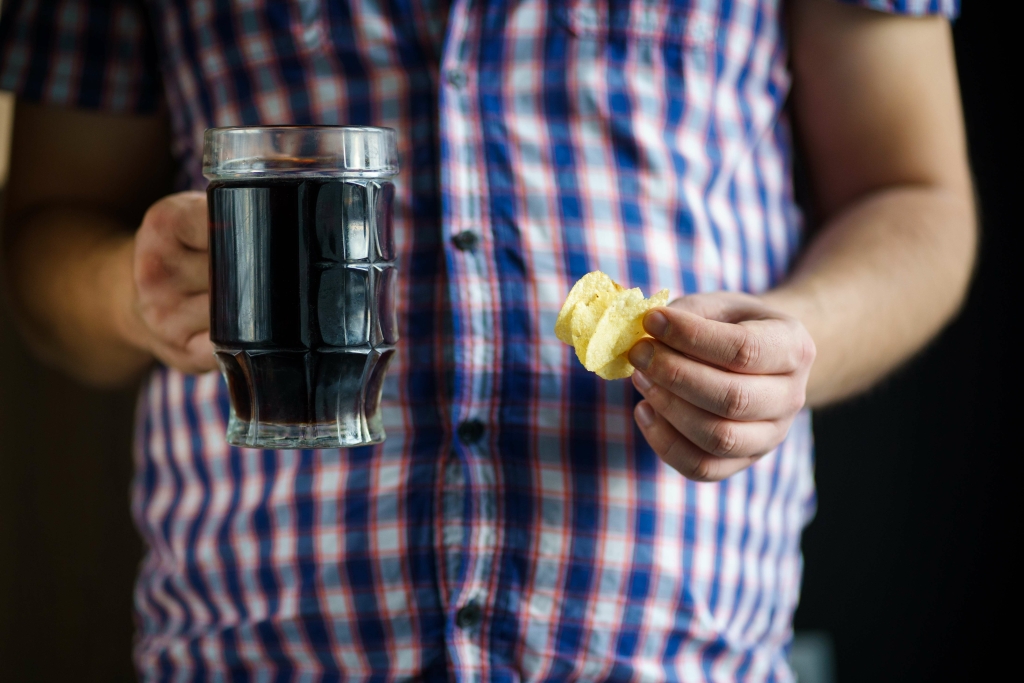
Treatment Options for Alcohol Abuse & Addiction
Injuries caused by anger-induced conflicts may make trust difficult to reestablish. Because of the established link between aggression and alcohol, co-treatments have been developed that can also address anger while drinking. If you find yourself in a situation with someone who is angry while intoxicated, the first step is to assess your level of risk. There’s a difference in safety between someone who is expressing anger verbally and one who has become physically aggressive.
One way to have a bit less is to alternate alcoholic drinks with a soft drink or water. Many people who drink are never violent and even those who do become aggressive won’t do so all the time. Here, we explore why some people get angry when they’re intoxicated and provide tips on how to stop being aggressive when you’ve had a drink.
If called out, they will insist that they don’t have a problem, because acknowledging this root issue is too scary, shameful, painful, or overwhelming. It is best to choose a time when your friend is thinking clearly and seems receptive. Let them know you are concerned about the pattern you have noticed and how they may benefit from a recovery program. Remember, seeking support is crucial for managing Alcoholic Rage Syndrome and improving overall well-being. You must be consistent with refusing to accept poor behavior; this includes emotional and verbal abuse.

The reason may be that alcohol tamps down working memory and therefore sparks people to think outside the box. As a whole, alcohol use naturally heightens emotions, and for people who are predisposed to aggressive tendencies, it can quickly make bad scenarios worse. Children of alcoholics become anxious and fearful, never knowing what to expect each day from their parents.